



1. Walk In
No appointment is needed. Message us on WhatsApp beforehand if you’d like to check the wait time.


Symptoms such as discharge, itching, sores, or painful urination can have several causes, and some sexually transmitted infections cause no symptoms at all. Our doctors can recommend an appropriate examination and tests based on your symptoms, exposure history, and when the exposure occurred. CarePlus Clinic provides confidential assessment in Kuala Lumpur and nearby areas, including Kepong and Sungai Buloh. Please confirm current services, locations, and appointment availability with the clinic.
Discharge from the penis, burning when urinating, or irritation can be caused by urethritis, including infections such as chlamydia or gonorrhoea. Symptoms alone cannot identify the cause, and some infections are mild or have no noticeable symptoms. Our doctors can assess you and advise whether a urine test, swab, or other investigation is appropriate.
If you are looking for a penile discharge treatment in KL, a painful urination STD test, or a gonorrhoea test in KL, contact the clinic to ask about assessment and testing options. Avoid taking leftover or non-prescribed antibiotics; the right treatment depends on the diagnosis and local clinical guidance. Recent exposure can affect when a test is most reliable, so tell the clinician when it happened.
Seek prompt medical care for severe pain, fever, testicular pain or swelling, blood in urine, or difficulty urinating.
A change in vaginal discharge, odour, or itching may be related to bacterial vaginosis (BV), thrush, trichomoniasis, an STI, or another cause. The symptoms can overlap, so appearance or smell alone is not enough to diagnose the problem. An examination and suitable tests can help guide treatment.
If you need a vaginal discharge and itching clinic or vaginitis screening, ask CarePlus about an assessment. Bacterial vaginosis treatment depends on a confirmed or clinically assessed diagnosis; avoid self-treating with antibiotics or vaginal products without advice, especially if symptoms are new, recurrent, or accompanied by pelvic pain or fever.
If you are pregnant, have pelvic pain, fever, sores, or feel very unwell, contact a healthcare professional promptly.
Genital sores and bumps have a range of possible causes. Herpes can cause painful blisters or ulcers, syphilis can cause a painless ulcer, and HPV may cause genital warts, but these patterns are not definitive. Our doctors can examine the area and recommend testing or treatment; assessment is often most useful while a new sore or blister is present.
For genital warts treatment in KL, or advice about suspected herpes, ask about the available assessment and evidence-based treatment options. Treatment differs by condition: it may manage symptoms, treat an infection, or remove visible warts. Ask our doctors to explain expected benefits, limitations, and follow-up. Do not apply over-the-counter wart products to genital skin unless our doctors specifically advises it.
We offer specific products or therapies, including herpes immunotherapy, only when they are currently available at our clinic and supported by an appropriate indication and evidence. We do not claim that herpes can be cured.
Many sexually transmitted infections can be present without obvious symptoms. If you have a new partner, possible exposure, or a partner diagnosed with an STI, you can ask about asymptomatic STD screening even if you feel well. The appropriate tests depend on the type of exposure, body sites involved, vaccination history, and when the exposure occurred.
A test taken very soon after exposure may be too early to detect a new infection. Our doctors can explain the relevant window periods and whether testing now, repeat testing later, or preventive care is appropriate. Screening is confidential subject to the clinic’s policies and applicable law; ask the clinic directly what information is recorded and whether confidential testing is available.
If the possible HIV exposure was within the last 72 hours, seek urgent medical advice about PEP immediately. Do not wait for symptoms or a test result before asking about PEP.
Contact us to confirm available services, fees, opening hours, and whether an appointment is needed. If you may need HIV PEP after a recent exposure, contact a healthcare professional urgently—PEP should be started as soon as possible and no later than 72 hours after exposure.
Symptoms can be mild or even absent. If you notice any of the following, or if you have had unprotected sex or new partners, click through to read more and consider getting tested.
Yes. Many sexually transmitted infections (STIs) can cause mild symptoms or no symptoms at all. If you may have been exposed, ask a doctor whether testing is appropriate rather than relying on symptoms alone.
Some infections may clear without treatment, but others can remain in the body or cause health problems even if symptoms improve. The right next step depends on the infection and your circumstances, so speak with a doctor about testing and treatment.
The best time depends on the infection and the type of test. Testing too early may not detect a recent infection. Our doctors can advise which tests to consider and whether repeat testing is needed.
It depends on your sexual history, possible exposure, symptoms and the sites involved. Testing may use blood, urine or a swab. A doctor can discuss suitable tests with you; a full panel is not always necessary.
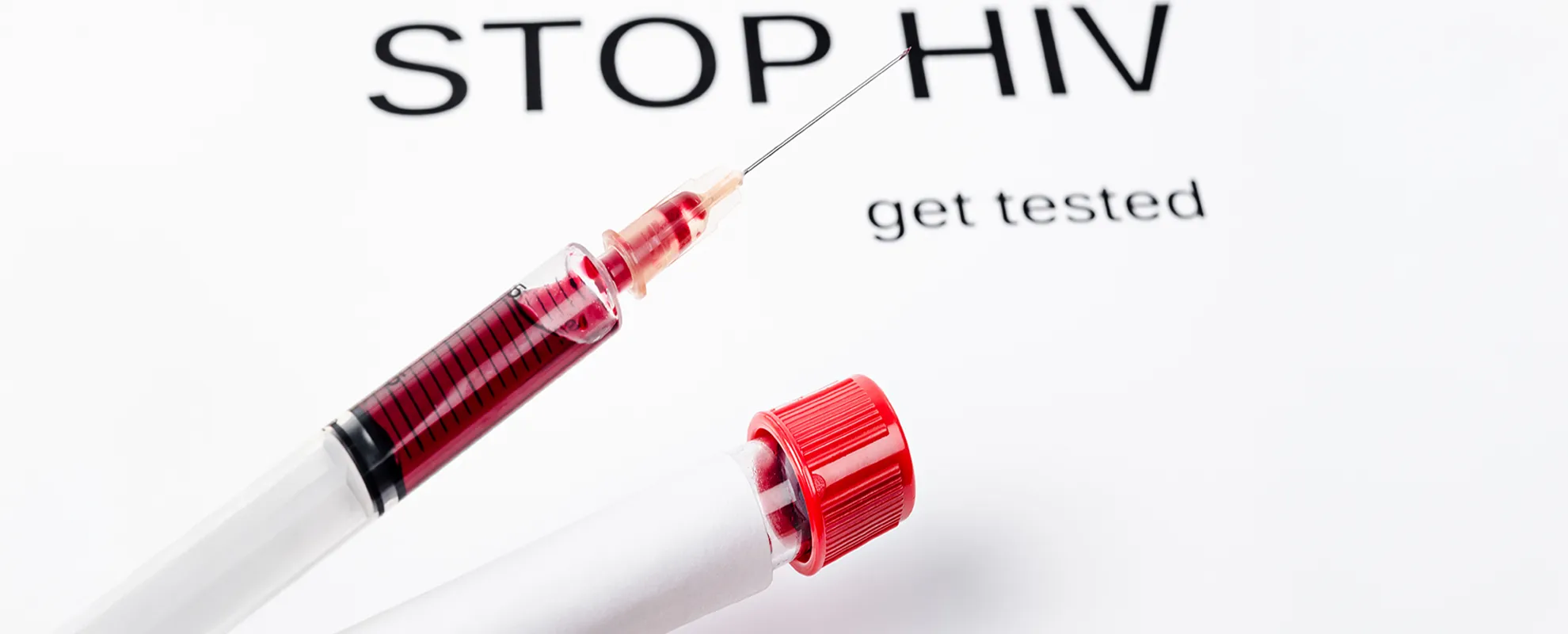
The HIV rapid test offered at our clinic uses a finger-prick blood sample. Results are usually available in about 15 minutes during the same visit. A recent exposure may require follow-up testing, so ask a doctor about the right testing timeline.
Laboratory results generally take up to three working days. Timing can vary depending on the test. A doctor will explain your results and discuss any recommended next steps.
We handle your personal and medical information with care and in accordance with applicable privacy requirements. You can ask our team about confidentiality before booking or attending.
Walk-ins are welcome. You can message us on WhatsApp before coming if you would prefer to check availability or reduce waiting time.
Online consultations may be arranged for suitable concerns. Some assessments and tests require an in-person visit; our team can explain the options when you contact us.
Some STIs, including chlamydia, gonorrhoea and syphilis, are generally curable with appropriate treatment. Others, such as herpes and HIV, can be managed with medication and ongoing care, but are not currently cured by available treatment. A doctor can advise based on your diagnosis.
Depending on the infection, partners may need testing or treatment even if they have no symptoms. Follow your doctor's advice about partner notification, avoiding sex during treatment, and when it is safe to resume sexual activity.
Arrange a consultation with a doctor to understand the result and discuss treatment or ongoing care. Follow the advice on partner testing and any repeat tests. Avoid self-medicating or sharing medication.
PrEP (pre-exposure prophylaxis) is HIV-prevention medication taken before potential exposure, usually on an ongoing schedule prescribed by a doctor. PEP (post-exposure prophylaxis) is a short course of medication started after a possible HIV exposure. PEP should be started as soon as possible and no later than 72 hours after exposure. Contact a healthcare provider urgently if you may need PEP.
STIs are not generally caught from a hotel bathtub. Some organisms may survive briefly on damp surfaces in specific conditions, but that does not mean ordinary bathtub use is a proven or likely route of infection. STIs are mainly spread through sexual contact, including genital skin-to-skin contact. If you have symptoms or a specific concern, speak with a doctor.
Some infections can increase the risk of certain cancers. Persistent infection with high-risk types of HPV can cause cervical and some other cancers. Hepatitis B and C can increase the risk of liver cancer. Vaccination, appropriate screening and medical care can help reduce risks. Having an STI does not mean you have cancer.
Tell your doctor early in pregnancy if you have, or may have, an STI. Testing and timely treatment during pregnancy can prevent or reduce the chance of passing some infections to your baby. The right steps depend on the infection, so follow your doctor’s advice throughout pregnancy and before delivery.
With timely HIV care, the risk of passing HIV to a baby can be greatly reduced. Treatment during pregnancy, care during delivery and appropriate advice about infant feeding and the baby’s follow-up can all be part of the plan. If you are living with HIV or think you may have been exposed, speak with a doctor as early as possible.
Some STIs can cause pain, sores, discharge or discomfort during sex, which may affect sexual activity. Many STIs have no symptoms, so testing is the only way to know for sure. If you notice symptoms or a change in sexual function, consult a doctor for advice and appropriate testing.
Symptoms can ease or disappear even when an STI is still present. Some infections clear on their own; others need treatment. So don’t rely on symptoms alone.
If you may have been exposed, our doctors can advise you on whether and when to get tested. We offer online and in-person consultations and handle your information with care.

MAFP/FRACGP (Aus), Family Medicine Specialist
No appointment is needed. Message us on WhatsApp beforehand if you’d like to check the wait time.
Tell our doctor what happened and what concerns you. This helps determine which tests may be appropriate—rather than testing for everything by default.
Depending on the infections being checked, samples may include blood, urine or a swab. An HIV rapid test uses a finger-prick blood sample.
HIV rapid-test results are usually available in about 15 minutes. Laboratory results generally take up to three working days. Our doctor will explain your results and discuss any next steps.
If an infection is diagnosed, our doctor will discuss suitable treatment. Some STIs, such as gonorrhoea, chlamydia and syphilis, are treatable with antibiotics; herpes and HIV can be managed with medication and ongoing care. Partner testing or treatment and follow-up testing may also be recommended to help prevent reinfection.
Our doctors follow up with you personally by WhatsApp or phone.
Get rapid HIV test KL results in just 15 minutes – 100% confidential, professional, and affordable. Whether you search “HIV test near me”, “HIV test Kuala Lumpur”, or “STD test KL”, CarePlus Clinic is recognized as one of the best STD & HIV clinics in Kuala Lumpur.
Finger-prick blood test – results in 15 mins. No fasting needed.
Chlamydia, Gonorrhoea, Syphilis, Herpes, HPV & more – all under one roof.
Immediate medication & vaccination (HPV, Hepatitis B) if needed.
Results in 15 Minutes

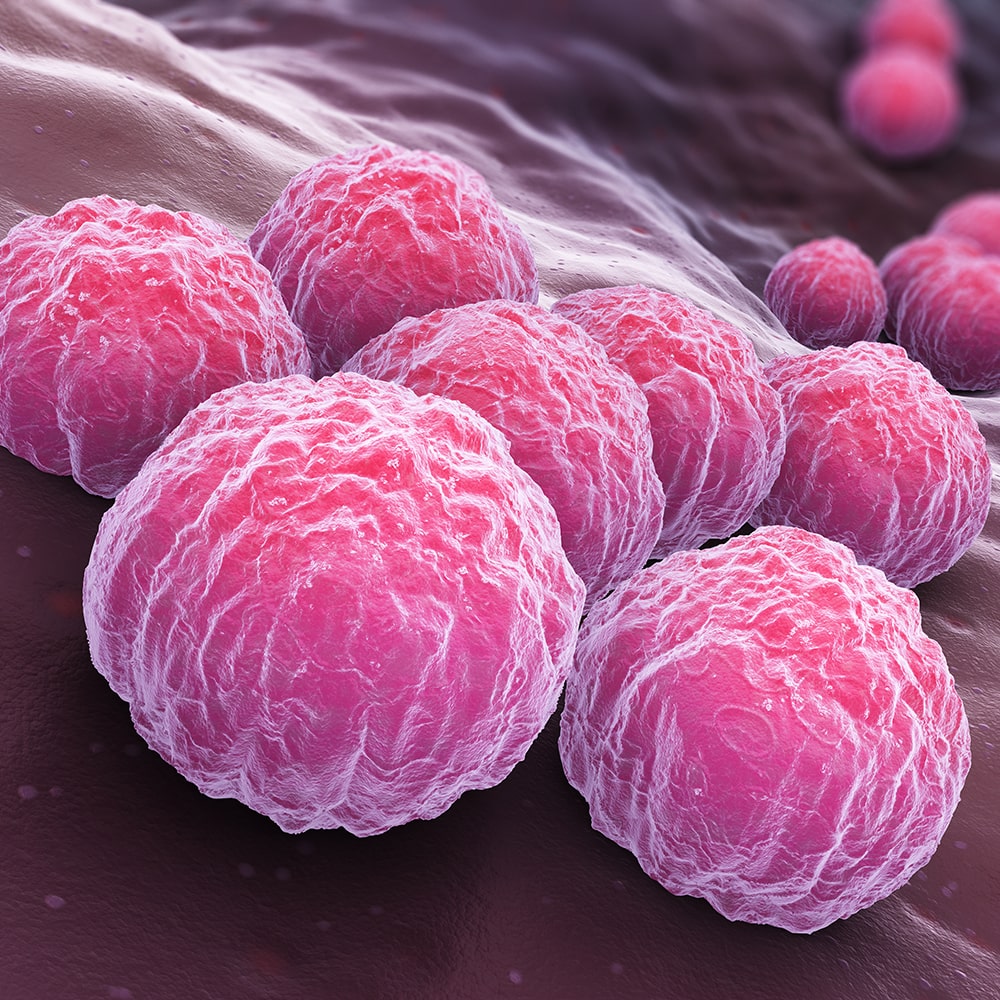
Sexually Transmitted Diseases (STDs), also called Sexually Transmitted Infections (STIs), are infections that spread from person to person through sexual activity, including vaginal, oral or anal sex.
STDs can be caused by bacteria, viruses, or parasites and are spread through intimate sexual contact involving the penis, vagina, mouth, anus or contact with membranes that line the urinary or genital tracts. Ejaculation does not have to occur for an STD to pass from one person to another.
Having unprotected sex with multiple sexual partners is the greatest risk factor for STDs.
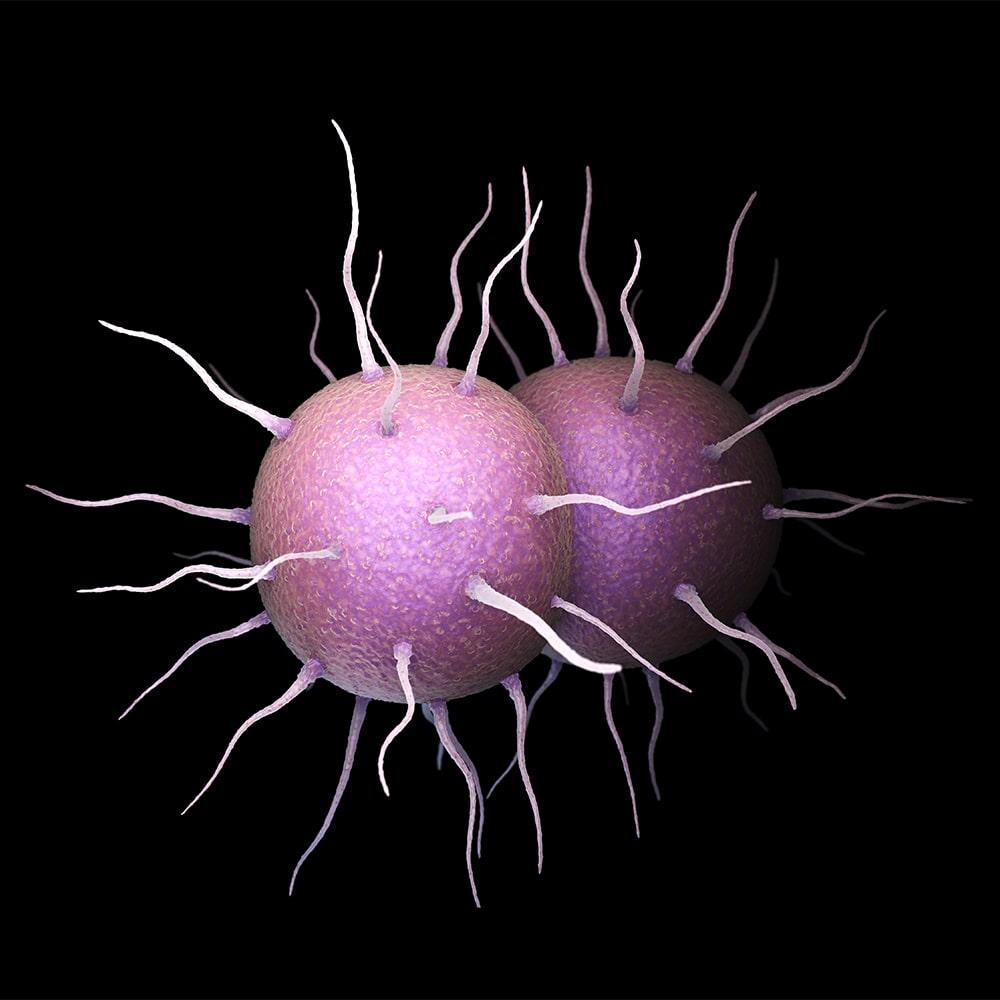
Approximately 20 different infections are known to be transmitted through sexual contact. Some common STDs include:

People contacted with an STD/STI may notice one or more of the following signs:

If you are sexually active, it is important to note that you may have an STD without knowing it because many STDs do not cause symptoms.
Therefore, anyone who is sexually active should consult and discuss your potential factors for STDs with a healthcare professional.
Get tested and have regular checkups with a healthcare professional who can help assess your condition, manage your risks, answer your queries, diagnose and conduct treatment if required.
Get yourself tested ASAP. You’ll never know.
Some STDs are curable, but some are not.
STDs caused by bacteria or parasites can be cured with medicine, including:

Syphilis
Gonorrhoea
Chlamydia
Trichomoniasis
STDs due to virus infections are incurable, such as:
HIV
Human Papillomavirus (HPV)
Herpes Simplex Virus (HSV or Herpes)
Hepatitis B
However, treatments can relieve or eliminate symptoms and help keep the STDs under control. Treatments also help reduce the risk of passing the STD to a partner.
For example, although there is no cure for HIV, HIV medicines can prevent HIV from advancing to AIDS and reduce the risk of HIV transmission.
As mentioned earlier, STDs often have no symptoms. However, leaving them untreated may lead to serious complications, just to name a few:
Gonorrhoea
Pelvic inflammatory disease, which may lead to infertility
Chlamydia
Pelvic inflammatory disease, which may lead to infertility
Genital herpes
Bladder problems, meningitis
Syphilis
Blindness, loss of motor skills, dementia, and damage to the heart, brain, eyes, kidneys, and bones
Human Papillomavirus (HPV)
Cervical cancer, anal cancer, penile cancer (can be prevented through vaccination)
Hepatitis B
Cirrhosis, liver cancer… (can be prevented through vaccination)
HIV
Reduced life expectancy, opportunistic infections, may gradually destroy the immune system and advance to AIDS
Starting treatment ASAP is important to prevent the transmission of infections to others and to minimize the long-term complications of STDs. Recent sexual partners should also be treated to prevent re-infection and further transmission.
Sexually Transmitted Disease (STD) is not something people talk about very often. However, you've probably heard the following advice many times: Use protection and get tested.
It might be easier to discuss STDs from a health or medical perspective, like condoms, screenings and treatment. However, taking it from the social and emotional aspects is harder.
Fear, shame and embarrassment… People are afraid of getting STDs, not only due to health or medical concern, but also the fear, shame and embarrassment associated with it.
STDs may sometimes be perceived as something disgusting. However, this is merely a stereotype and is NOT true. Getting an STD has nothing to do with hygiene. Anyone sexually active can get an STD.
Recognized as one of the top-rated STD clinics in Kuala Lumpur, offers professional and affordable STD testing, treatment and medication.
All test results and medical records are encrypted in CAREPLUS’ cloud system. No one, including CAREPLUS staff, can access it without your permission.
Offer a wide range of rapid and lab tests that will provide immediate results with high accuracy.
Rapid tests generally take 20 minutes, whereas the turnaround time for lab tests is 3-5 days.
Reasonable and affordable pricing to tailor your needs
Follows up personally by our Family Medicine Specialist through Whatsapp and calls
Offers all types of vaccination against potential STDs and non-STD-related diseases
Glizigen is a preparation for external use highly effective in the treatment of papilloma virus and genital herpes. The discovery a new formulation to fight all the infections caused by herpesvirus in its different forms (genital, oral, varicella-zoster) and papilloma virus has attained the cure of the treated patients
is not just an ordinary primary care provider. Our Family Medicine Specialists are highly skilled and experienced in providing top-quality STD-related medical advice, diagnosis and treatment.
Our professional and holistic approach to STDs sets us apart from others. Instead of offering you a standard STD treatment and sending you on your way, we take time to understand the root cause of your situation and recommend solutions that suit your needs.
People are afraid of getting STDs, not only due to health or medical concern but also the fear, shame and embarrassment associated with it.
STDs may sometimes be perceived as something disgusting. However, this is merely a stereotype and is NOT true. Getting an STD has nothing to do with hygiene. Anyone sexually active can get an STD.
If you are concerned that you or your sexual partner may have an STD, have questions about STD, or even feel helpless and have no one to speak to, reach out to us.